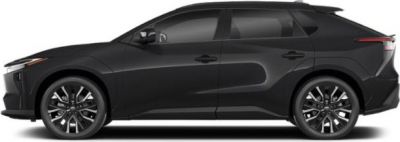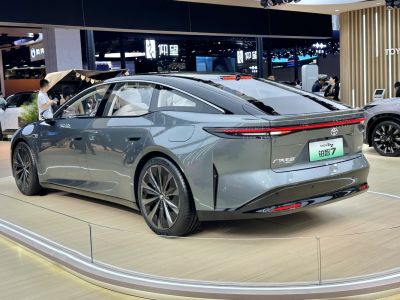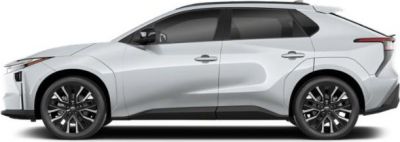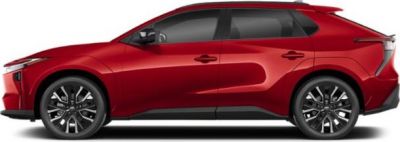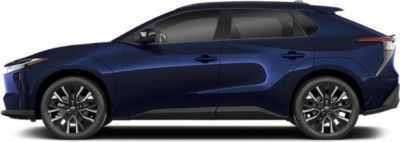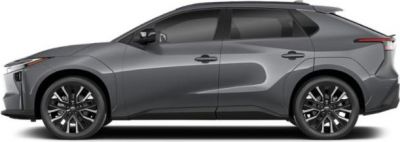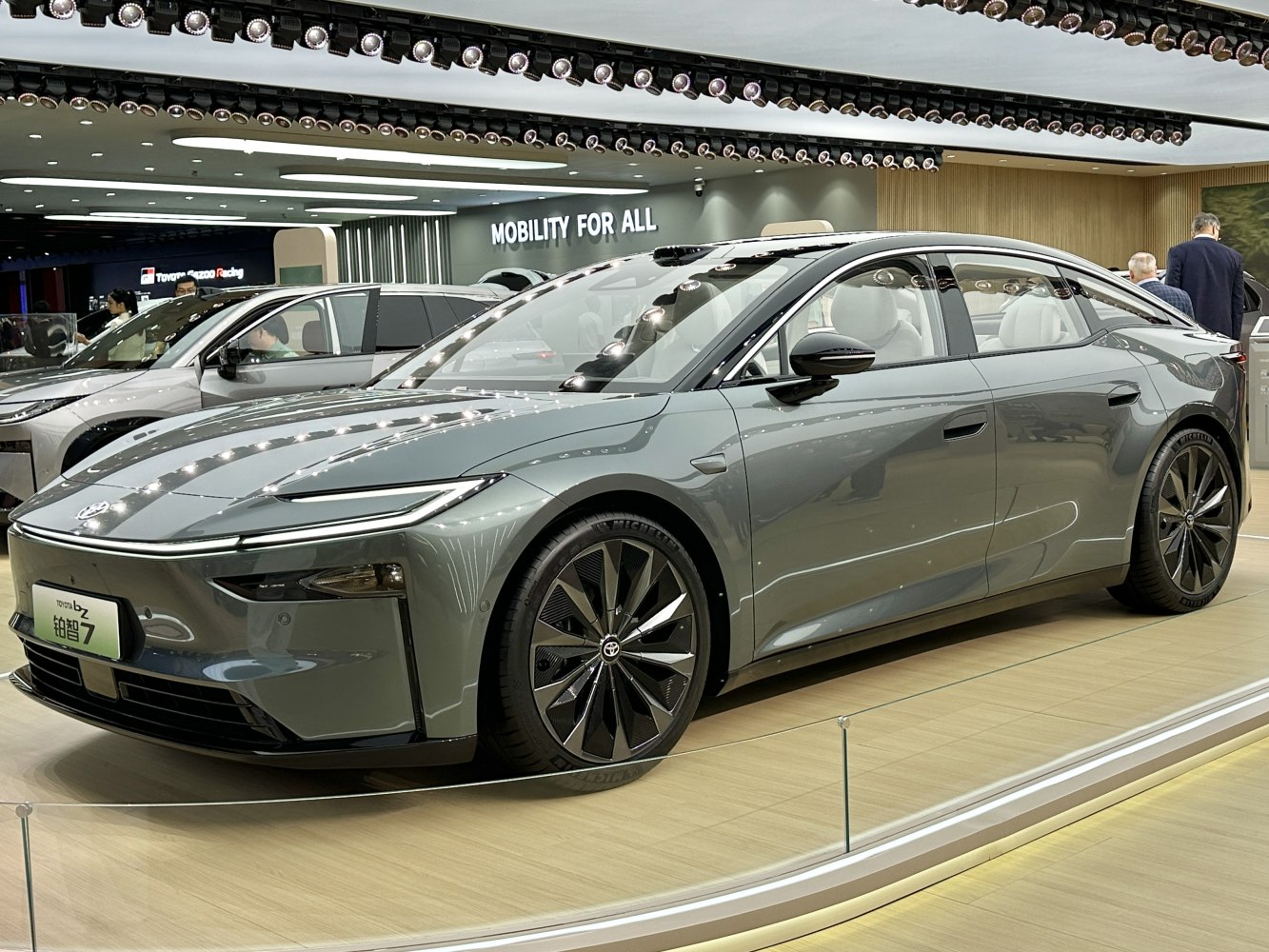
The 2026 Toyota bZ7 represents Toyota's strategic move into the growing electric SUV segment, embodying the brand's dedication to sustainability and modern vehicle innovation. As part of Toyota's bZ (beyond Zero) series, the bZ7 is designed to appeal to drivers seeking a spacious, efficient, and environmentally friendly SUV alternative. Although specific dimensions and detailed specifications are yet to be fully disclosed, the bZ7 is expected to fall within the midsize SUV category, offering ample interior space suitable for families and daily commuting needs. Typically, midsize SUVs measure approximately between 4.6 to 4.9 meters in length (about 181 to 193 inches), with widths around 1.85 to 1.95 meters (72 to 77 inches) and heights near 1.65 to 1.75 meters (65 to 69 inches). Given Toyota's recent design language and the electric drivetrain architecture, the bZ7 is anticipated to showcase a sleek, aerodynamic profile enhancing both range and efficiency. Interior comforts are projected to include advanced infotainment, sustainable materials, and state-of-the-art safety features aligned with modern consumer expectations. The bZ7 is expected to compete with other electric SUVs like the Kia EV6, Hyundai Ioniq 5, and Volkswagen ID.4, combining Toyota’s reliability with electric vehicle technology. Overall, the 2026 Toyota bZ7 marks a significant addition to the brand's electrification roadmap, promising zero emissions driving without compromising the practical benefits of an SUV.
Discover the standout features that make the 2026 Toyota bZ7 a leader in its class
Have a question? Please check our knowledgebase first.
The 2026 Toyota bZ7 SUV features a well-balanced size typical of modern electric SUVs. Its overall length measures approximately 4,920 mm (193.7 inches), with a width of around 1,920 mm (75.6 inches) excluding mirrors, and a height of roughly 1,680 mm (66.1 inches). These dimensions provide a roomy interior while ensuring the vehicle maintains a manageable footprint for urban and suburban driving environments, blending practicality with maneuverability.
The 2026 Toyota bZ7 is designed as a spacious SUV offering comfortable seating for five passengers. It provides ample headroom and legroom across both rows, making long journeys more comfortable. In terms of cargo, the bZ7 offers around 650 liters (22.9 cubic feet) of storage space behind the rear seats, which can be expanded to approximately 1,750 liters (61.8 cubic feet) when the rear seats are folded down, making it a versatile option for families and outdoor activities.
The curb weight of the 2026 Toyota bZ7 is estimated to be about 2,100 kilograms (4,630 pounds). This weight is fairly typical for electric SUVs with similarly sized battery packs and structural reinforcements for safety. The weight contributes to a stable and confident ride, with the electric drivetrain providing instant torque for smooth acceleration. While heavier than traditional combustion SUVs, the weight distribution is optimized to improve handling and driving comfort.
Given the bZ7's dimensions—about 4,920 mm (193.7 inches) in length and 1,920 mm (75.6 inches) in width—it should fit into most standard residential garages, which typically measure around 6,000 mm (236 inches) deep and 3,000 mm (118 inches) wide. However, tight garages or those with limited width might require careful parking due to the SUV's relatively broad stance. Measuring your garage and comparing it to these dimensions is recommended to ensure comfortable clearance.
The bZ7 is Toyota’s contemporary electric SUV with no direct predecessor under the same model name. Compared with earlier Toyota electric concepts or hybrid SUVs like the RAV4 EV, the bZ7 is larger, prioritizing enhanced interior space and battery capacity. It demonstrates Toyota's shift towards fully electric platforms with increased length, width, and wheelbase to accommodate larger batteries and provide a more spacious cabin than previous electric or hybrid models in Toyota's lineup.
When compared to competitors such as the Hyundai Ioniq 5 or the Volkswagen ID.4, the Toyota bZ7 stands out for its slightly larger dimensions, especially in length and cargo capacity. The bZ7's longer wheelbase and increased width offer more interior volume, which is particularly appealing to families and those needing versatile storage options. While it may be marginally larger, it competes strongly in terms of roominess and comfort against these popular electric SUVs.
The wheelbase of the 2026 Toyota bZ7 is approximately 2,900 mm (114.2 inches). A longer wheelbase generally translates to better ride stability and increased interior space, particularly legroom for rear passengers. This dimension allows the bZ7 to balance handling with comfort, offering smooth highway cruising and reduced cabin noise and vibration, providing a comfortable ride for all occupants during longer journeys.
The 2026 Toyota bZ7 boasts a ground clearance of about 200 mm (7.9 inches), which is fairly typical for SUVs targeted at both urban and some light off-road conditions. Its height of around 1,680 mm (66.1 inches) gives it a commanding presence on the road and helps facilitate an elevated driving position. This clearance is sufficient for mild off-road terrains such as gravel paths and uneven surfaces but is not designed for very rugged off-roading.
With a width of about 1,920 mm (75.6 inches), the Toyota bZ7 offers ample interior space but requires mindful maneuvering in narrow urban streets and tight parking spots. While not excessively wide compared to other SUVs in its category, this width might challenge parking in tight spaces. However, modern parking sensors, cameras, and driver assistance systems integrated into the bZ7 help offset any potential difficulty there.
The 2026 Toyota bZ7 was designed with a focus on maximizing interior space, comfort, and electric vehicle efficiency. Its length and width provide a spacious cabin ideal for families, while height and ground clearance balance urban usability with mild off-road capability. The dimensions also accommodate larger battery packs to extend electric range without compromising driving dynamics, reflecting Toyota’s vision to deliver practical and environmentally friendly SUVs for the evolving market.

 Toyota