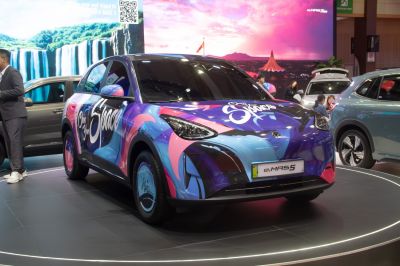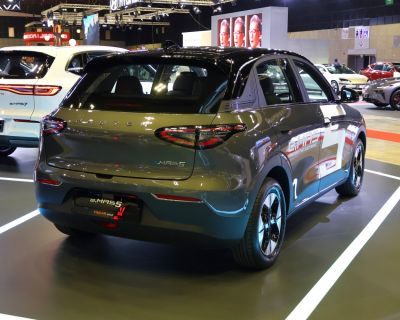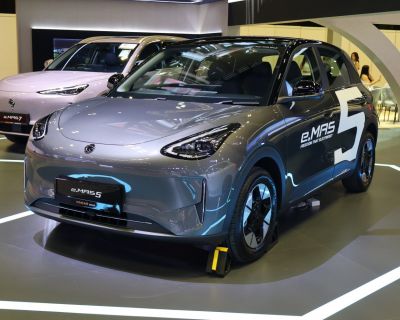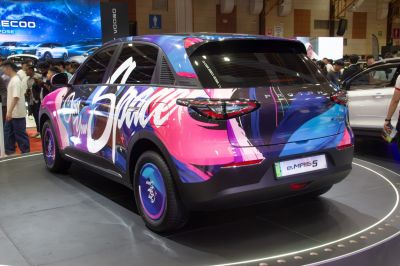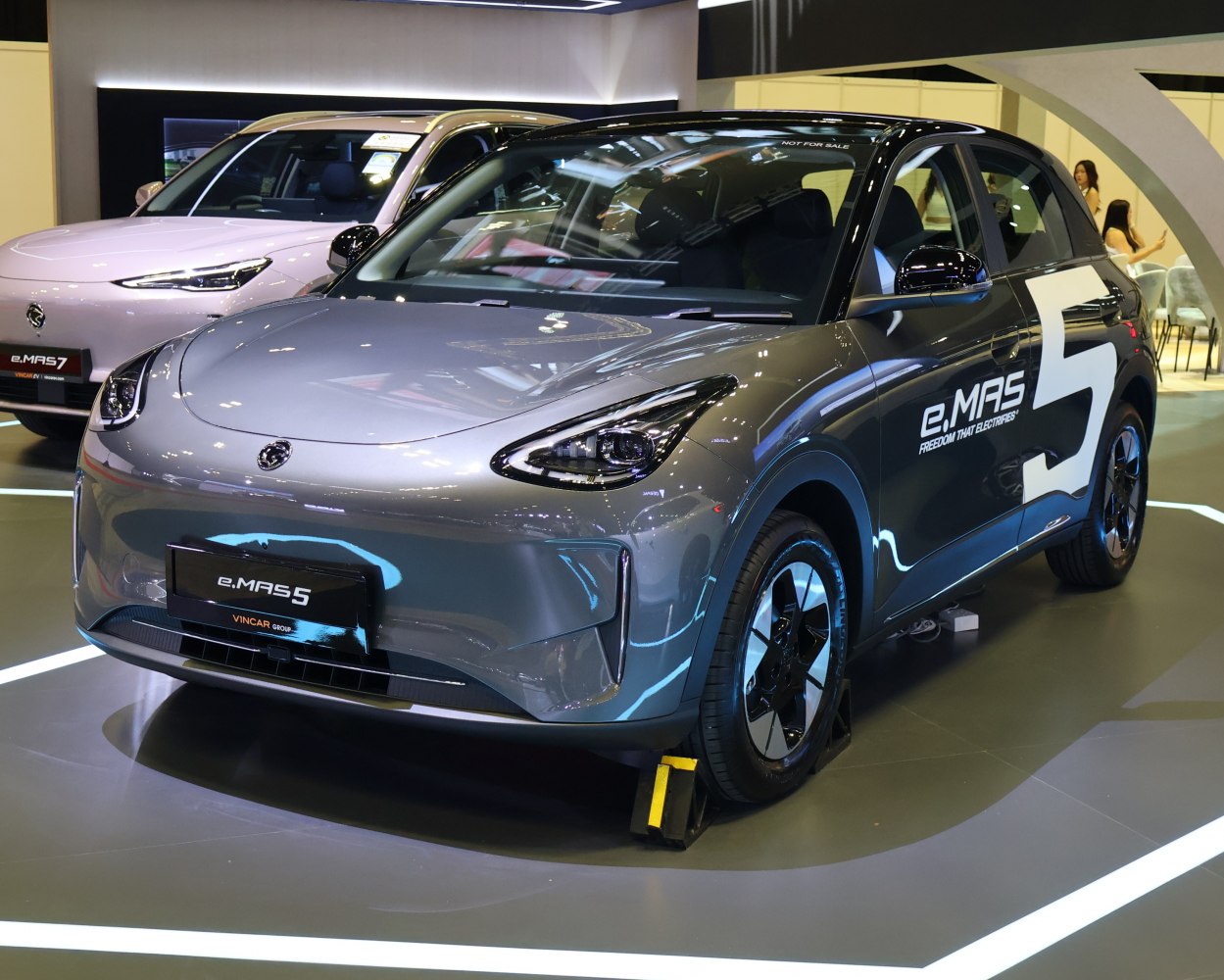
Measurements of the 2026 Proton e.MAS 5, engineered for optimal performance and comfort
| Dimensions | |
|---|---|
| Length: | 4135 mm162.8 in13.6 ft |
| Width: | 1805 mm71.1 in5.9 ft |
| Height: | 1580 mm62.2 in5.2 ft |
| Trunk Capacity: | 375 liter13.2 cu ft |
| Trunk Capacity (Max): | 1320 liter46.6 cu ft |
| Weight Specifications | |
| Curb Weight: | 1230-1305 kg2712-2877 lbs |
| Tire Specifications | |
| Rims Sizes: |
|
| Tire Sizes: |
|
The Proton e.MAS 5, introduced in 2025 and representing the 2026 model year, is a modern compact hatchback offering a practical yet stylish vehicle option in Proton's lineup. This generation features a length of 4,135 mm (162.8 inches), a width of 1,805 mm (71.1 inches), and a height of 1,580 mm (62.2 inches), placing it comfortably in the compact hatchback segment. Weighing between 1,230 to 1,305 kilograms (2,712 to 2,877 pounds), the e.MAS 5 balances lightweight design with structural integrity for both efficiency and safety.
The hatchback design includes flexible cargo solutions, with a standard luggage capacity of 375 liters (13.2 cubic feet), which expands impressively to 1,320 liters (46.6 cubic feet) when the rear seats are folded down. This makes it versatile for daily commuting and weekend errands or even longer trips requiring extra storage space. The vehicle rides on rim sizes of either 15 or 16 inches, paired with tire options including 205/65 R15 and 205/60 R16, ensuring a comfortable and stable driving experience.
Overall, the Proton e.MAS 5 2026 combines compact exterior dimensions with spacious internal and cargo room, making it suitable for urban drivers looking for a hatchback that is easy to maneuver but still practical. Its lightweight build and modern size profile align well with efficient fuel consumption and ease of parking, highlighting its appeal as a contemporary hatchback in the Proton range.
Discover the standout features that make the 2026 Proton e.MAS 5 a leader in its class
Have a question? Please check our knowledgebase first.
The Proton e.MAS 5 2026 hatchback has a length of 4135 mm (162.8 inches), a width of 1805 mm (71.1 inches), and a height of 1580 mm (62.2 inches). These dimensions make it a compact and practical vehicle, suitable for urban environments while providing ample space inside for passengers and cargo. Its relatively moderate size balances maneuverability with interior comfort.
The curb weight of the Proton e.MAS 5 2026 ranges between 1230 kg and 1305 kg (2712 - 2877 lbs). This weight range depends on factors such as trim levels and optional equipment. A weight in this range is typical for hatchbacks, contributing to good fuel efficiency and ease of handling without compromising structural integrity and comfort.
The Proton e.MAS 5 offers a luggage capacity of 375 liters (13.2 cubic feet) with the rear seats in use, providing sufficient space for daily errands and small trips. When the rear seats are folded down, the luggage capacity expands significantly to 1320 liters (46.6 cubic feet), offering excellent versatility for transporting larger items or increased cargo loads.
The Proton e.MAS 5 comes with rim size options of 15 inches and 16 inches. Corresponding tire sizes available for this model are 205/65 R15 and 205/60 R16. These tire dimensions balance ride comfort with handling performance, ensuring good road grip and a comfortable driving experience suitable for both city driving and longer journeys.
Yes, the Proton e.MAS 5 fits comfortably into a standard residential garage. Its length of 4135 mm (162.8 inches), width of 1805 mm (71.1 inches), and height of 1580 mm (62.2 inches) make it well-sized to fit within typical garage dimensions, which usually measure around 6 meters (19.7 feet) in length and 3 meters (9.8 feet) in width. The vehicle's compact hatchback design also makes parking and maneuvering inside a garage easier.
The Proton e.MAS 5 hatchback offers superior interior flexibility compared to traditional sedans. While sedans typically have fixed rear seats with limited trunk space, the e.MAS 5 allows the rear seats to be folded flat, expanding luggage capacity from 375 liters to an impressive 1320 liters. This design caters well to users needing both passenger comfort and cargo versatility, which is ideal for families and active lifestyles.
As the Proton e.MAS 5 debuts in 2025, it represents the latest iteration in Proton's hatchback lineup, designed to be modern and practical. While specific predecessor dimensions may vary depending on the previous model, the e.MAS 5's length of 4135 mm and width of 1805 mm indicate a balanced size that may be slightly larger or more efficient in space utilization compared to earlier models. These dimensions reflect ongoing improvements aimed at enhancing comfort, cargo space, and driving dynamics.
The Proton e.MAS 5 is competitive in size within the compact hatchback segment. Its length of 4135 mm (162.8 inches) and width of 1805 mm (71.1 inches) put it in line with popular competitors like the Honda Jazz/Fit and Toyota Yaris. The generous rear luggage capacity of up to 1320 liters with folded seats also rivals or exceeds many competitors, making it a strong choice for buyers seeking a spacious and versatile hatchback.
With a length of 4135 mm and width of 1805 mm, the Proton e.MAS 5 strikes a balance between interior space and compactness, making it well-suited for urban driving. The moderate size helps in tight parking spaces, maneuvering through traffic, and fitting into crowded city environments. Its hatchback design further aids practicality by providing easy access to cargo space without requiring excessive exterior length.
The curb weight variation of the Proton e.MAS 5 from 1230 kg to 1305 kg (2712 - 2877 lbs) depends on several factors including trim levels, additional optional features, and equipment such as alloy wheels, infotainment systems, safety technologies, and interior materials. Different wheel sizes (15-inch or 16-inch rims) and tire specifications also contribute slightly to weight differences. The weight range is carefully managed to ensure optimal fuel efficiency, performance, and safety.

 Proton