- Home
- Brands
 BMW
BMW- Vision Driving Experience
- 2025 Vision Driving Experience
BMW2025 BMW Vision Driving Experience Dimensions, Size & Specs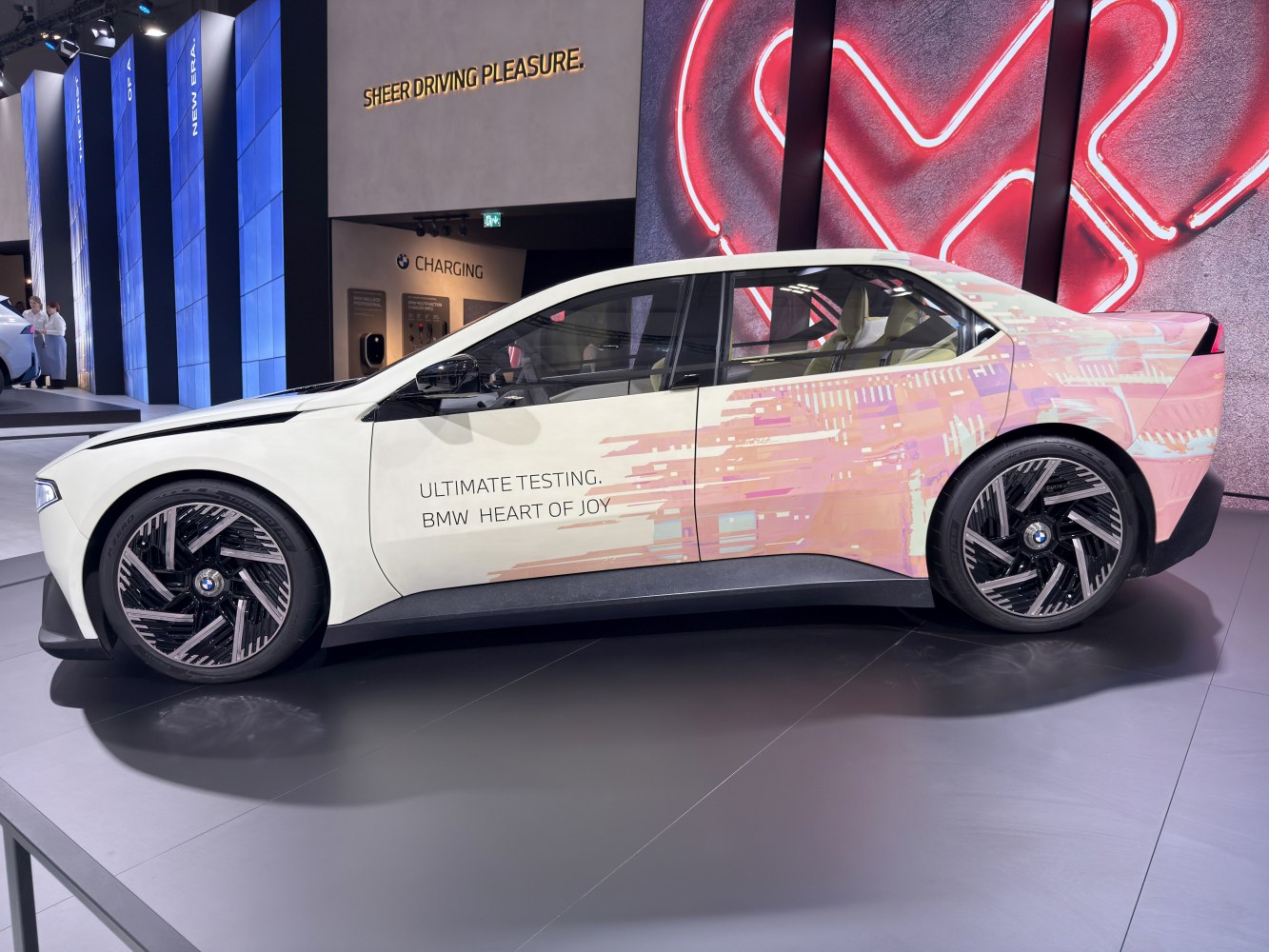
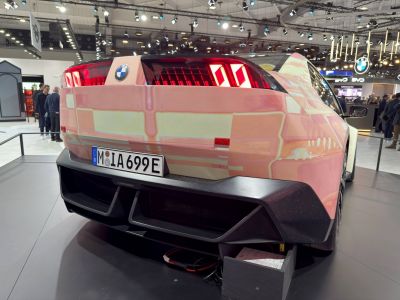
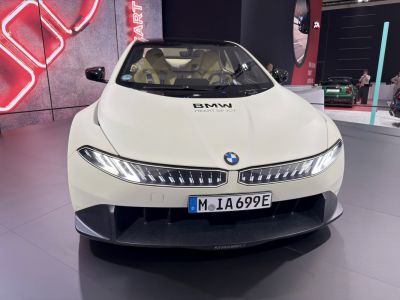
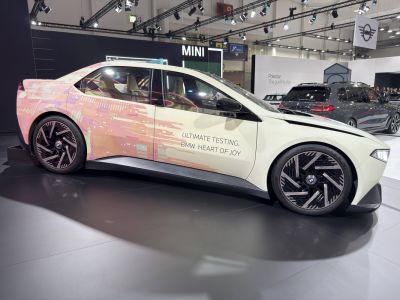
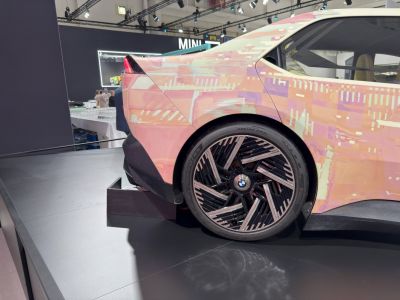
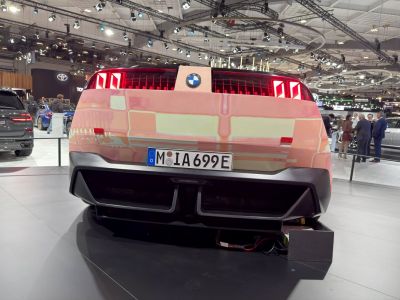
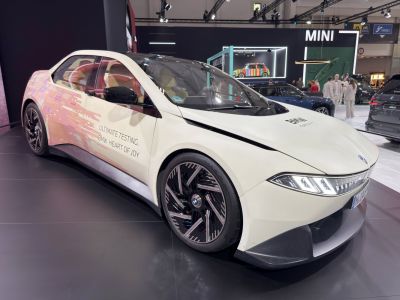
The BMW Vision Driving Experience is a futuristic concept car unveiled by BMW for the 2025 model year, representing the brand's cutting-edge vision for the future of mobility. As a prototype, this vehicle embodies advanced automotive technologies and innovative design elements that push the boundaries of conventional car engineering. Although specific dimensions and performance figures have not been formally released for the Vision Driving Experience, concept cars like this typically highlight BMW’s commitment to electric propulsion, autonomous driving capabilities, and intelligent onboard systems. The design language is focused on aerodynamics, sleek surfaces, and a minimalist yet functional interior that blends luxury with high-tech interfaces. The Vision Driving Experience reflects BMW’s strategic direction toward sustainable urban mobility solutions while preserving the hallmark driving pleasure and precision engineering the brand is known for. As a concept, it serves both as a showcase for new technologies and as an inspiration for future production models, hinting at significant advances in materials, connectivity, and user experience designed to elevate both driver and passenger comfort. This prototype anticipates a time when electric vehicles and smart systems dominate the market, emphasizing BMW's foresight in automotive innovation.
Discover the standout features that make the 2025 BMW Vision Driving Experience a leader in its class
Have a question? Please check our knowledgebase first.
The BMW Vision Driving Experience is a concept car designed to showcase future technologies and design language. As a prototype, detailed official measurements of its length, width, and height have not been fully released by BMW. However, concept vehicles like this typically maintain a compact and sleek profile to emphasize sportiness and futuristic aesthetics. For reference, typical BMW coupe dimensions range approximately between 4.4 to 4.8 meters (14.4 to 15.7 feet) in length and 1.8 to 2.0 meters (5.9 to 6.6 feet) in width, but the Vision Driving Experience is designed more as a technological and design statement rather than a production-ready model, so exact metrics remain unavailable.
The width of the BMW Vision Driving Experience, though not officially disclosed, is crafted to enhance stability and road presence, typical goals for high-performance and concept vehicles. A wider car generally offers better cornering grip and improved handling characteristics due to a broader track, which is central for vehicles showcasing BMW's driving prowess. In terms of interior space, a wider cabin may allow for more shoulder room and a comfortable driving position. Since the Vision Driving Experience is a concept focused on future driving technologies, its width also supports advanced aerodynamics and integration of electronic components, ensuring an immersive driving experience.
As a concept car, the BMW Vision Driving Experience pushes design boundaries and may have less conventional dimensions compared to typical production vehicles. However, concept cars similar in size to sports coupes generally fit into standard garages, which typically accommodate vehicle widths up to around 2.5 meters (8.2 feet) and lengths up to roughly 5.5 meters (18 feet). Without exact dimensions released, it's reasonable to assume the Vision Driving Experience would fit within these parameters, but owners or enthusiasts should be aware that its futuristic bodywork or aerodynamic elements might require careful parking considerations.
The BMW Vision Driving Experience features a low-slung, aerodynamic profile typical of concept sports cars, with a relatively low height optimized for reduced air resistance and enhanced high-speed stability. Lower height contributes to a lower center of gravity, improving cornering performance and handling precision. Ground clearance is also typically minimal on such cars to maximize aerodynamic efficiency, though concept vehicles prioritize futuristic design over practicality, so ground clearance may be less than production counterparts. This low stance is ideal for controlled road conditions but less suited for rough or uneven surfaces, making the Vision Driving Experience more focused on performance and design experience than everyday usability.
The exact weight of the BMW Vision Driving Experience concept car has not been publicly disclosed, which is common for prototype vehicles as many components are experimental. However, concept cars typically prioritize lightweight materials such as carbon fiber and aluminum to enhance performance and efficiency. Lighter weight leads to improved acceleration, handling, and energy efficiency, essential for showcasing the potential of future technologies. BMW's focus on combining advanced materials with cutting-edge engineering in the Vision Driving Experience likely results in a relatively low weight compared to conventional vehicles, helping it demonstrate dynamic driving capabilities and responsiveness.
The BMW Vision Driving Experience is designed primarily as a two-seater concept emphasizing a futuristic, immersive driving environment. The interior space is optimized for driver engagement rather than passenger comfort, featuring innovative interfaces and a cockpit-style layout. Given the concept's focus on technological innovation and driving pleasure, legroom and shoulder room may be prioritized for the driver, with limited or no rear seating. The spatial arrangement incorporates high-tech augmented reality and digital displays, redefining interior space use compared to traditional cars, focusing on interaction between driver and vehicle rather than conventional passenger capacity.
Since the BMW Vision Driving Experience is a concept rather than a direct successor to a production model, a direct size comparison is nuanced. Compared to current BMW sports models like the 4 Series or M4, which are generally around 4.75 meters (15.6 feet) long and 1.85 meters (6.1 feet) wide, the Vision Driving Experience is designed to be compact with a more aggressive aerodynamic profile. It embodies futuristic proportions with likely more streamlined dimensions to suit advanced technologies. The concept car’s size is tailored to showcase innovative design and driving technology rather than conventional metrics, so its dimensions may differ significantly from predecessors in favor of visionary aspirations.
The BMW Vision Driving Experience competes in the same conceptual space as other futuristic sports or electric concept cars, which often feature compact, aerodynamic designs for agility and performance. Compared to electric sports concept cars like the Audi e-tron GT or Mercedes-Benz EQXX, which are roughly 4.9 to 5 meters (16 to 16.4 feet) long and around 1.9 meters (6.2 feet) wide, BMW’s concept might be slightly smaller or similar in size but emphasizes a more driver-focused cockpit with innovative digital interfaces. These cars generally share a low height and wide stance for stability but vary in exact measurements due to distinct design philosophies and technology showcases.
The BMW Vision Driving Experience integrates advanced technologies such as augmented reality displays, an interactive digital cockpit, and autonomous driving capabilities that influence its interior and exterior design. The futuristic dimensions accommodate seamless integration of large panoramic glass surfaces, sensor arrays, and aerodynamic elements engineered to optimize performance and user interaction. Compact size and sleek profile reduce drag while allowing space inside for digital interfaces. These design choices lead to a concept car whose dimensions are carefully balanced between form, function, and cutting-edge technology implementation, influencing the driver’s emotional and sensory experience.
As a concept car, the BMW Vision Driving Experience primarily serves as a vision statement for future mobility rather than a production-ready model. While its size and design elements illustrate BMW’s direction toward electric, autonomous, and connected driving experiences, many features and proportions are unlikely to translate directly into production vehicles. The car’s dimensions emphasize performance, technology integration, and aesthetics over traditional usability factors like cargo capacity or rear passenger space. That said, elements pioneered here can influence future BMW models, hinting at how compactness, cockpit design, and innovative interfaces might be adapted for practical daily driving.