A garage is one of the most overlooked aspects of car ownership. Garages are often built according to local standards, and most car owners assume their vehicle will fit with ease. However, if a garage size is not considered when buying a new vehicle, a car owner may end up with a vehicle that will not fit. The vehicle may end up in a driveway every day while the garage is being upgraded.
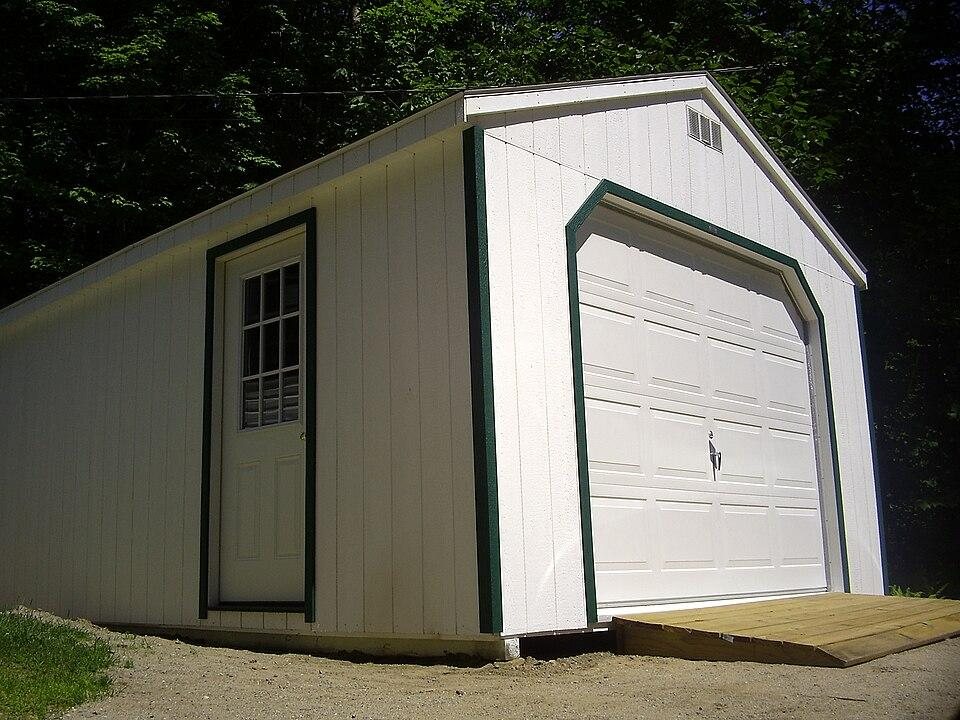
Standard Parking Measurement
Although there is no federal law on the standard garage measurement, many local laws have been enacted to ensure public safety. For example, Santa Paula, California, has these specific laws on Residential Garages and Carports according to American Legal Publishing:
(1) All parking spaces in a garage or carport must have a minimum width of 10 feet and a minimum length of 20 feet. The minimum width and length must be measured from within the interior dimensions of the garage or carport.
(2) Single garage doors must have a minimum clearance width of 9 feet, and double garage doors must have a minimum clearance width of 16 feet. No chain link doors or walls will be permitted.
Simply put, a garage should be at least 10 feet wide and 20 feet long for a single vehicle. This provides sufficient room, along with ample space for door clearance and additional storage.
A compact car or midsize sedan can easily fit in these garages. The following are the length and width measurements of some of the most popular vehicles in this category:
Compact Car and Hatchbacks
- Honda Civic (15.4ft x 5.91ft)
- Toyota Corolla (15.2ft x 5.84ft)
- Volkswagen Golf (14.1ft x 5.9ft)
- Mazda3 (15.29ft x 5.89ft)
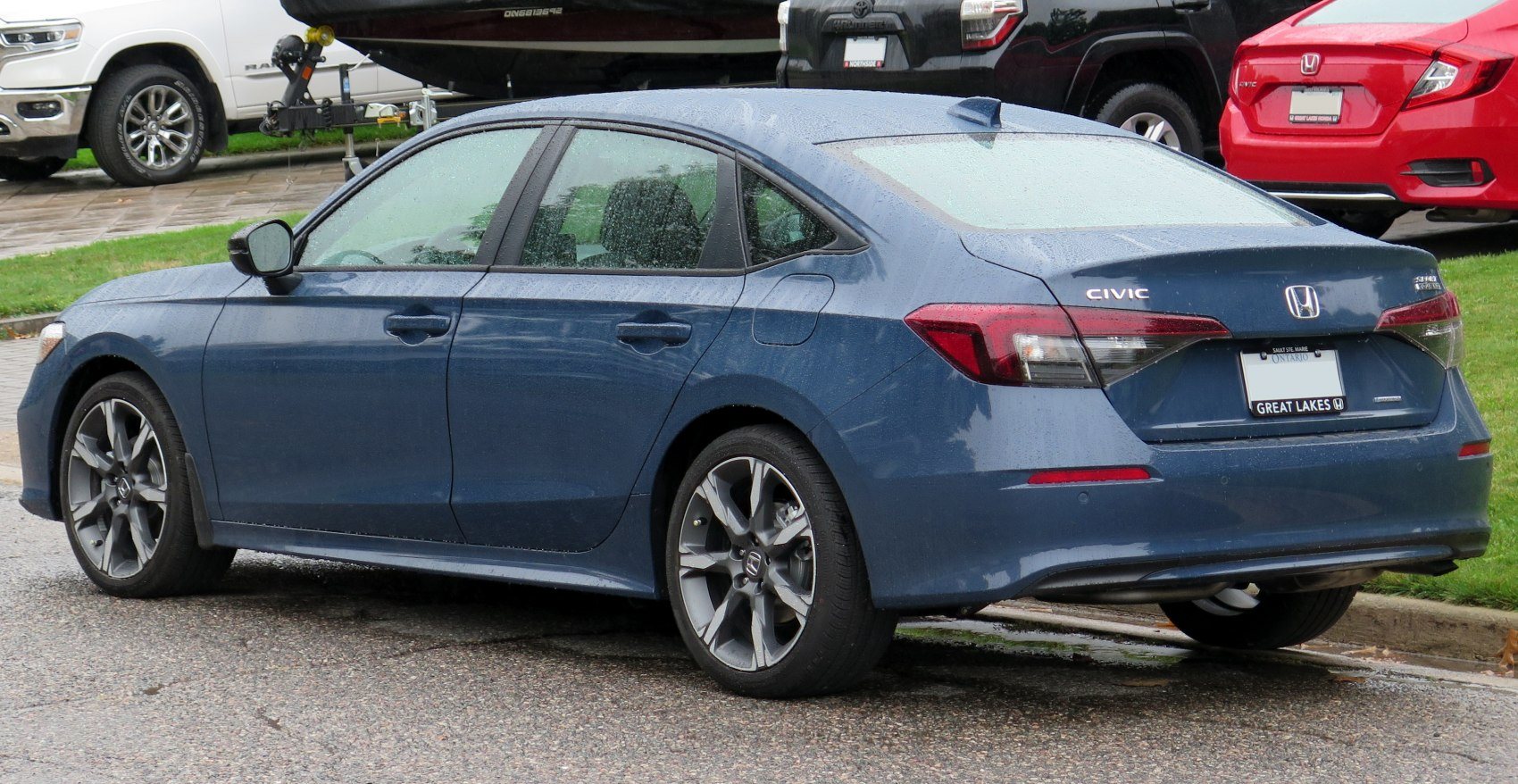
Midsize Sedans
- Toyota Camry (16.13ft x 6.03ft)
- Honda Accord (16.31ft x 6.11ft)
- Hyundai Sonata (16.11ft x 6.10ft)
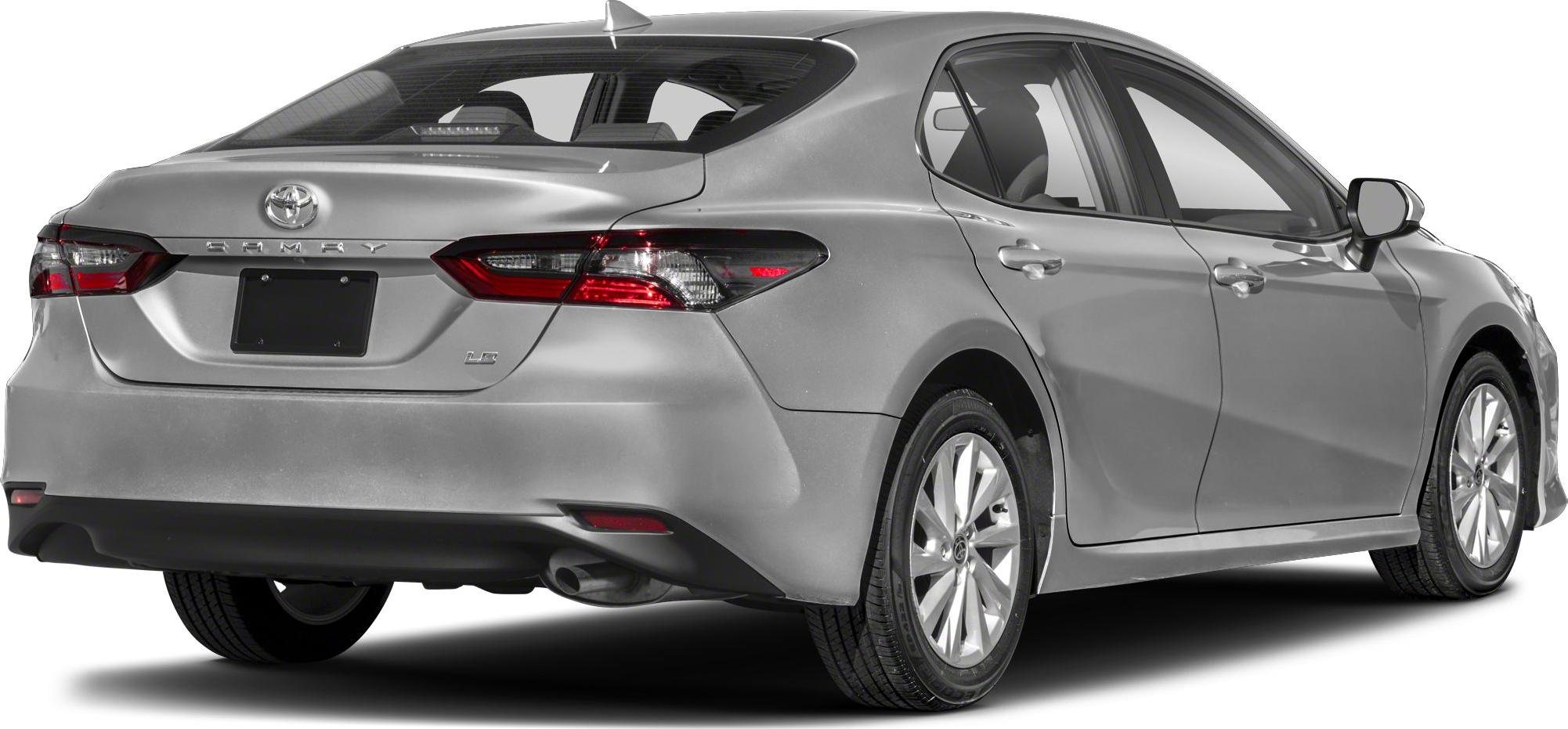
Cars in these categories should have no problem in these standard garages, plus additional space for storage and equipment for basic car maintenance. A garage built to standard dimensions and compliant with local regulations can help protect the vehicle from outside elements.
Planning for Larger Vehicles
While the standard garage size is good enough for relatively small vehicles, the most popular vehicles in the US today are SUVs and trucks. According to Visual Capitalist, the top 5 best-selling vehicles in the US for the 1st half of 2025 are trucks and SUVs. This means US homes should have a garage that easily fits their trucks and additional space for ease of access.
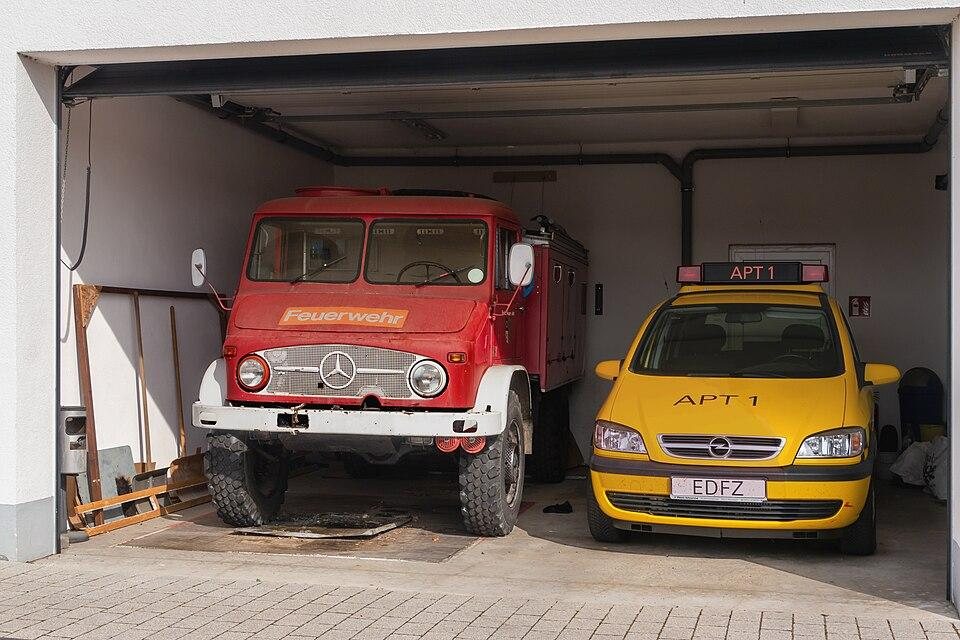
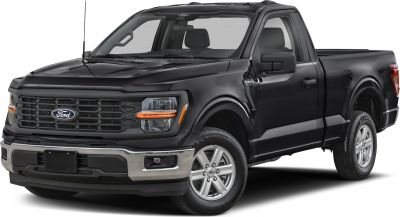
For example, the smallest Ford F-150 is 17.4ft long and 6.7" wide, which means there is very little extra space for anything else if the standard size is followed. Some trucks measure more than 20ft long, so they will not fit into any standard garage size.
Planning for Safety and Comfort
When purchasing a vehicle, garage size should be factored in to ensure there's extra space for storage and comfortable movement. It is highly recommended to measure the exact garage specifications so they can be compared to the vehicle. Additional room for side mirrors, tools, and equipment, as well as movements when closing and opening doors, should be considered.
When building a garage from scratch, it's essential to review local ordinances for fire safety, material requirements, and other applicable restrictions. In most cities, there are also restrictions on door types to ensure proper access during fires and other emergencies.
A great garage should comfortably fit the vehicle while ensuring safety for everyone. While local ordinances have recommended measurements on garages, larger vehicles today require more space to fit in.